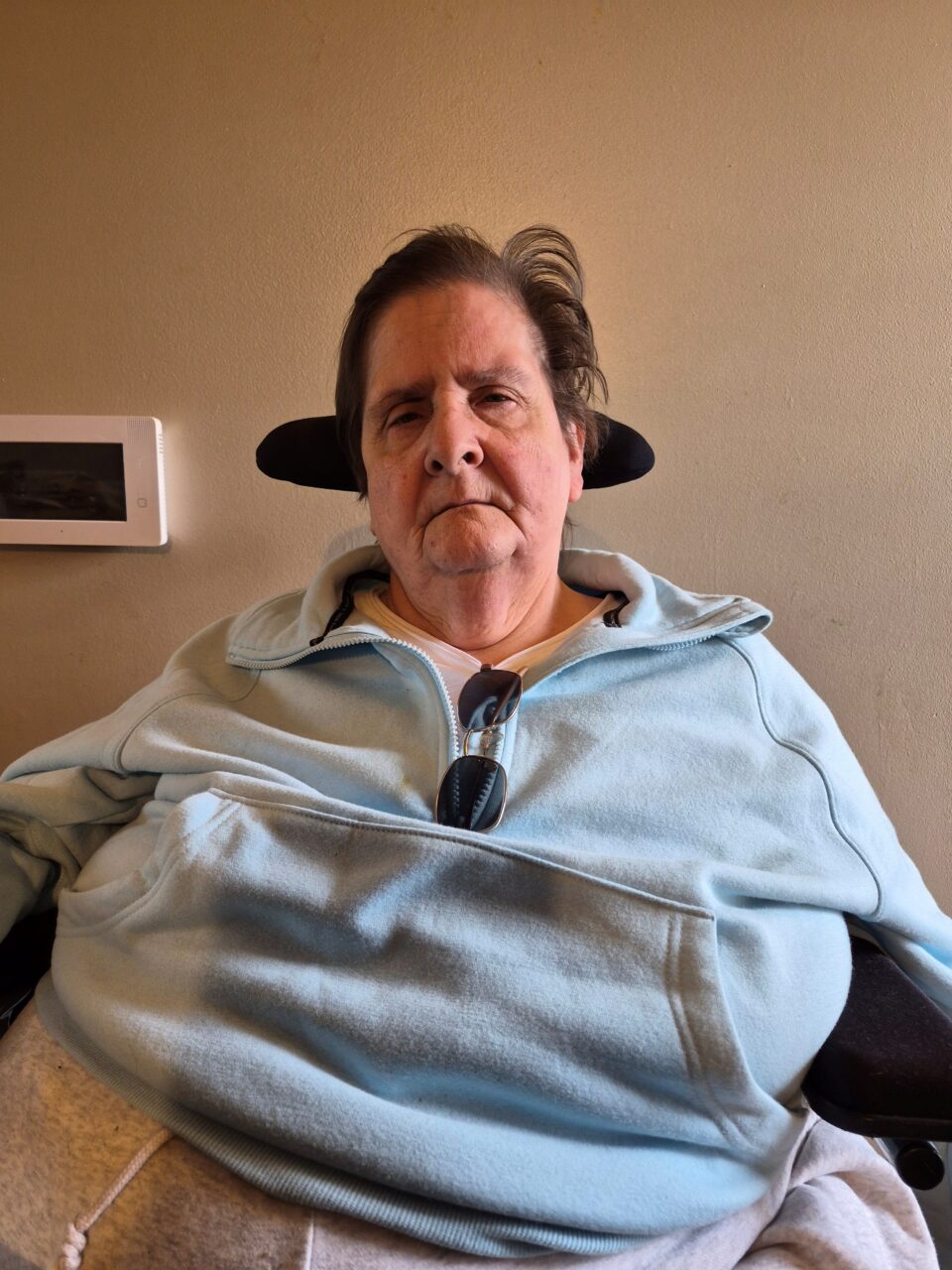
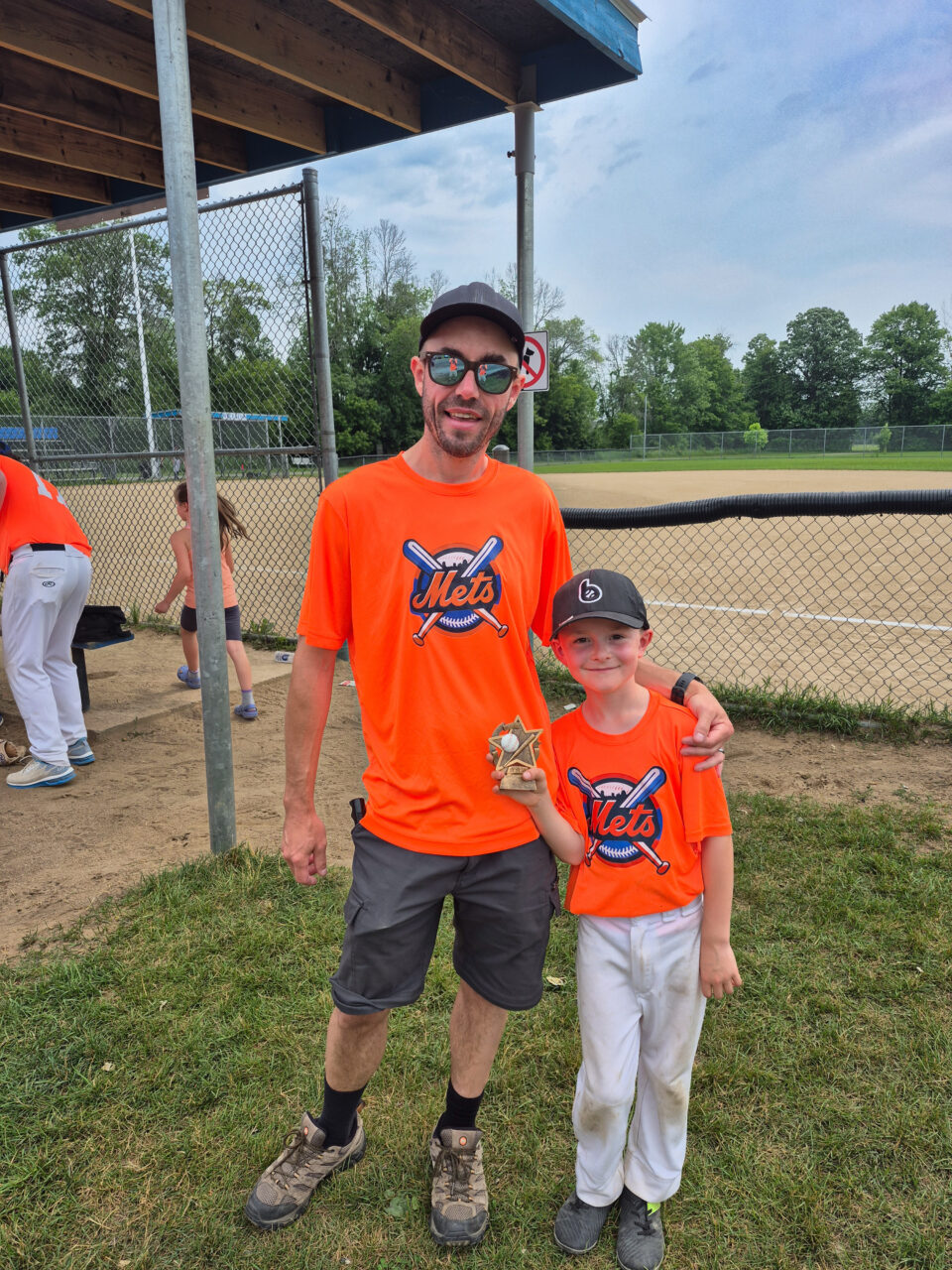
Like many adult children, Kyle became a caregiver to his aging parents, Gary and Marilyn. To complicate matters, Gary was misdiagnosed for 15 years until the year before he died in 2025 at the age of 83. This is a story of the impact of hydrocephalus on one family, their challenges, and how they coped.
Kyle and is wife Christine live in western Quebec and moved there from northern Ontario in 2022 to be closer to his parents. Kyle left his career in 2019 to become a full-time caregiver to his parents.
When Gary needed a CT scan to treat skin cancer on his head, imaging revealed fluid on his brain, and he was diagnosed with Normal Pressure Hydrocephalus (NPH). A neurologist determined that Gary’s condition was too far advanced to be treated.
Kyle witnessed his formerly active, socially engaged father become a prisoner in his body. While the exact cause of the NPH is unknown, Kyle suspects his father suffered a brain injury in a car crash at age 65.
Gary did not see a doctor following the crash, within three years he began shuffling when he walked and developed urinary incontinence. Gary’s doctor believed the symptoms were related to foot arthritis and aging.
“My father began showing signs of NPH by the age of 68. We didn’t know anything about NPH the entire time.” Kyle says.
Kyle’s mother constantly worried about her husband’s declining health and changing behaviour, her quality of life was also impacted by Gary’s loss of independence. Sadly, Kyle’s mother passed before Gary’s diagnosis of NPH.
As his parent’s caregiver, Kyle did his best to keep his father out of long-term care, fearing it would worsen his cognitive abilities and his spirit. Eventually, Gary lost all his physical independence and was moved into a long-term care facility in southern Ontario.
Kyle was struggling, too. His mental health was impacted by the demands of being a husband, managing a career and being a caregiver to his parents.
“My parents did not ask me to be their caregiver, nor did I sign up for it, it just came to be as they were both in a health crisis for almost 15 years of living with NPH”.
“NPH affected my dad in several ways: he went from shuffling his feet and falling constantly to using a wheelchair to being bedridden. His urinary incontinence affected his ability to travel from home for extended periods.”
Without a diagnosis from a physician, Kyle believes navigating the medical system for his dad was the most difficult part of his care. He had to find supports on his own, such as an electric wheelchair, personal assistive devices, and personal support workers. He also had to manage communicating with a range of doctors for his father’s care.
“I had never heard of the term caregiver before. I thought caregivers were doctors and nurses. It wasn’t until the last month of my father’s life that I understood that I had been his caregiver. I was only trying to be a responsible son.”
Kyle is honoured to have been his father’s caregiver, but he says that wasn’t always the case.
“I feel just because I was his caregiver doesn’t mean I was good at it. There were mistakes and misgivings.”
Kyle offers the following advice for anyone who is a caregiver to someone with NPH so that they can avoid having a similar experience:
Your physician can help detect NPH, so advocate for an MRI or CT scan when you know things are not normal in yourself or your loved one.
Reach out to Hydrocephalus Canada for support and information.
Don’t be afraid to ask for help for yourself. It’s not you, it’s the circumstance.
What’s next for Kyle? It has taken him a year to process the experience and heal from the impacts of caregiving for someone with a long illness. He’s proud of his father’s ability to maintain a sense of humour and pragmatism throughout his ordeal. He hopes that by sharing his story he continues to honour his father and bring forward the knowledge he and his family gained in their journey.