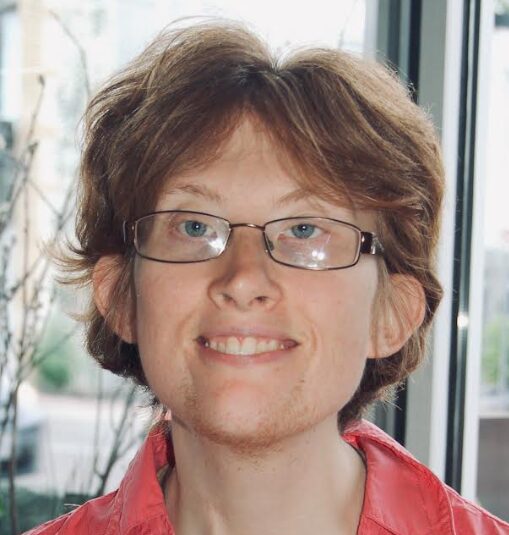
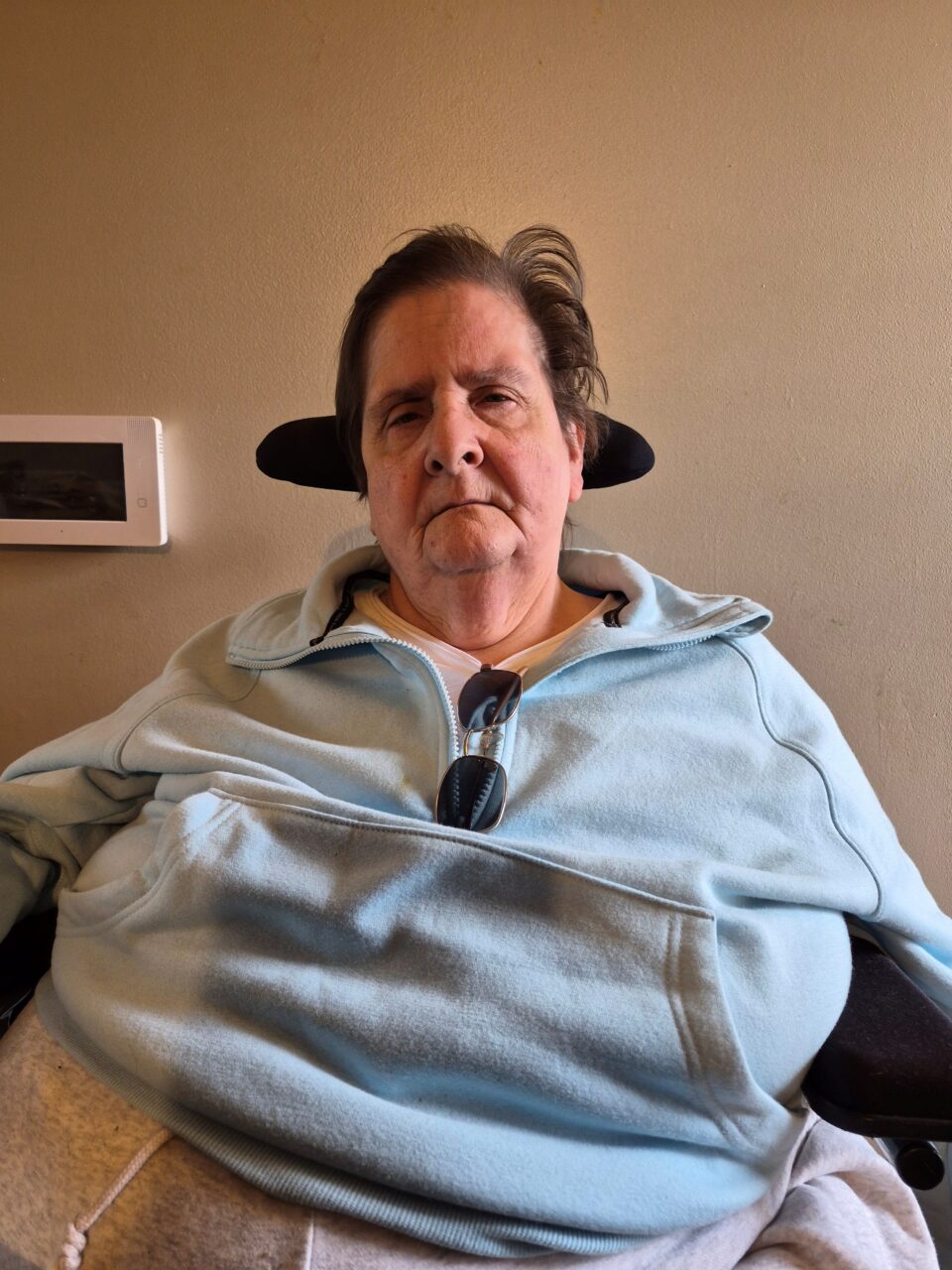
Although just 25 years old, Nathania Simowibowo has numerous accomplishments in academics, career, disability awareness initiatives and volunteer work. She is also musically and artistically inclined. The Kitchener-Waterloo resident has congenital hydrocephalus. She works as an educator for recreation and school programs and lives with her parents, younger sister and a pet cockapoo named Max.
Nathania began volunteering in childhood and continues today with Hydrocephalus Canada. Of all her activities, volunteering matters most to her and is most fulfilling. She encourages everyone to find time to volunteer in their communities.
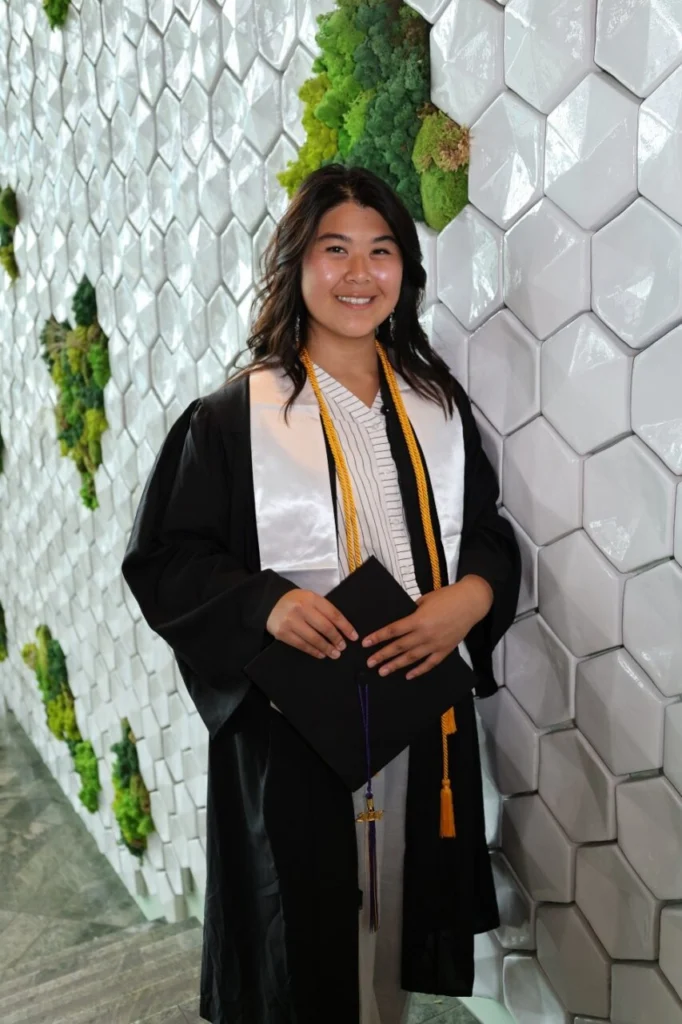
As an elementary school student, Nathania assisted the kindergarten teachers in monitoring the students and in the senior classes, by helping mark papers. In high school, she volunteered at her local library and museums.
Currently, she continues to help with educational school programs such as Strong Start which helps children develop their literacy skills and STEM (Science, Technology, Engineering and Mathematics) education programs which foster students’ critical thinking skills.
Throughout university, she was actively involved on her campus as a coordinator for international student services and a peer mentor for accessibility services. As a volunteer with Hydrocephalus Canada, she helped pioneer the youth group, SHYNE (Spina Bifida and Hydrocephalus Youth Network for Empowerment) and lead the face painting booth at the annual walk.
Nathania received a Bachelor of Arts degree in sociology from University of Waterloo and graduated from Wilfrid Laurier University with a Master of Education degree.
Through her piano, swimming, skating, dancing and art lessons, she felt much joy and fulfillment. These activities broadened her interests and offered a different level of accomplishment.
Growing up, Nathania experienced health challenges, such as a need for more rest, and was often absent from school for medical appointments and follow up care, which resulted in her feeling different from her peers.
Although Nathania’s hydrocephalus has stabilized following her last shunt revision in 2010, she was diagnosed with cancer in 2019, which required spinal cord surgery. She has annual follow-ups with her oncologist and uses a cane to help with mobility.
Nathania knows the importance of work life balance for her health, so she is careful about managing her time to ensure she feels well rested.
In her spare time, Nathania explores her creative side through drawing, painting, and photography. She won first prize at Hydrocephalus Canada’s Art Contest in 2023 with her art piece, The Wishful VP Shunt Tree and Hopeful Mountain.
With a busy schedule, she says, “Having a creative outlet allows me to be mindful and seek the unique perspectives in our world, capturing it all with a click of a button or a stroke of a paintbrush.”
Nathania offers the following advice for anyone with spina bifida and or hydrocephalus:
Ensure that you are aware of the common symptoms of your condition that may require attention from a health care practitioner.. Be aware of what you need to feel your best. When you understand your own body, you can be affirmative in advocating for yourself to find the most suitable accommodations for you.
Don’t rush your healing process or rush resting. Each person’s health condition varies and how you respond to general recommended treatments may not always work for you.
I had the experience of going through physiotherapy after my surgery and I was too eager in trying to regain my mobility and strength. Eventually I relapsed and all the progress I made from physiotherapy went back to square one. I realized I needed to slow down. After a couple of years of modifying general exercises according to my ability, I regained a better understanding of my physical capabilities.
Living with a medical condition does not limit you in pursuing your goals and ambitions; rather it makes you unique in being able to adapt to the life you live in.
As for friends, family members and loved ones of individuals with spina bifida and hydrocephalus she recommends:
“There is more to what lies behind the looks of a person. We may strive to complete the many tasks required of a job or in daily tasks, but we often have underlying needs for our medical condition that requires accommodations. Accessibility is not a one-size-fits-all; it is important to lend an ear to listen to the stories from individuals who live with medical conditions, so that implementation of accommodations or accessibility services best reflects individuals’ needs.